Inputs
$
$
Compound interest is the build up of interest over time. It is the interest on interest and is the result of reinvesting any gains so that interest on the next period is earned on the principal and the existing interest.
The initial amount also know as the principal is increased by the annual interest rate calculated at an interval of every month. On top of this the monthly investments are also compounded at the same interval of every month. The monthly deposits are calculated at the end of each interval, this is the same as depositing the money at the end of each month.
It is calculated at the end of each month. Currently this cannot be changed.
The future principal value is calculated using this formula
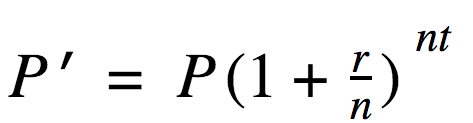
The monthly deposits value is calculated using this formula

The interest rate varies on where you are and what investments are available to you as well as how much risk you are will to take on. The estimated average annual return for the S&P 500 since it's creation in 1928 up until 2017 has been approximately 11%. The average savings account in most countries is between 0%-5%. Warren Buffet's company Berkshire Hathaway has a compounded annual return of about 20.8% since 1965.


